
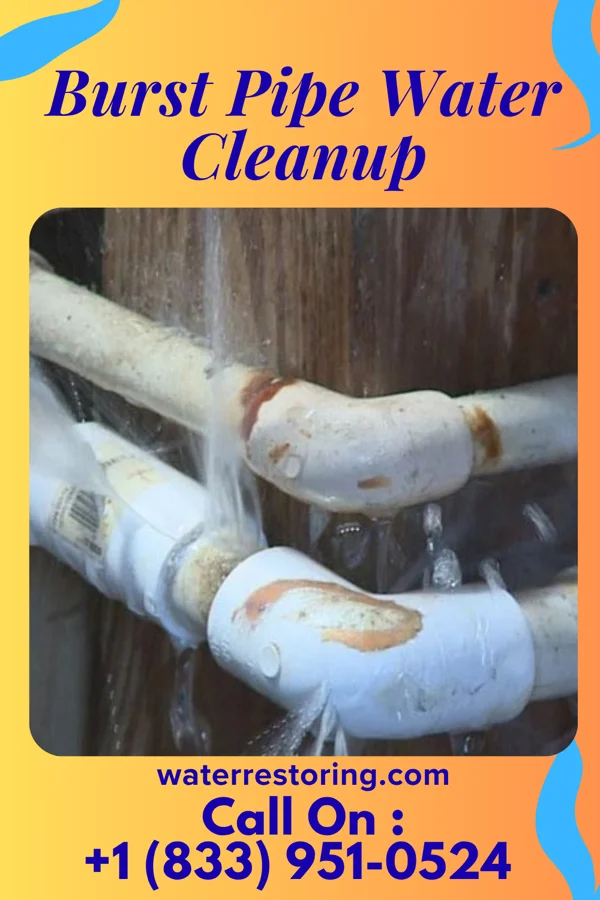
Why Burst Pipes Hit Cope Hard
The pattern in Cope is consistent. Cope, South Carolina, experiences frequent aging infrastructure and outdated plumbing systems, particularly in rural areas, which increases the likelihood of burst pipes. The region's older homes, many built in the early 20th century, often have deteriorating pipes that are more prone to failure during temperature fluctuations or heavy rainfall. drives most of the emergency restoration calls we get. A close second is In addition to aging infrastructure, Cope's rural setting means many properties lack modern water pressure regulation systems, which can lead to sudden pipe bursts. The presence of nearby towns like Norway and Cordova also means that shared water lines can be affected by localized pressure changes or maintenance issues..
Cope's climate, characterized by cold winters and hot summers, creates a challenging environment for plumbing systems. The combination of temperature extremes and seasonal rainfall patterns increases the vulnerability of pipes to bursting, especially in older homes and rural areas.
Cope's climate, characterized by cold winters and hot summers, creates a challenging environment for plumbing systems. The combination of temperature extremes and seasonal rainfall patterns increases the vulnerability of pipes to bursting, especially in older homes and rural areas. The dominant local driver is Cope, South Carolina, experiences frequent aging infrastructure and outdated plumbing systems, particularly in rural areas, which increases the likelihood of burst pipes. The region's older homes, many built in the early 20th century, often have deteriorating pipes that are more prone to failure during temperature fluctuations or heavy rainfall., with In addition to aging infrastructure, Cope's rural setting means many properties lack modern water pressure regulation systems, which can lead to sudden pipe bursts. The presence of nearby towns like Norway and Cordova also means that shared water lines can be affected by localized pressure changes or maintenance issues. showing up as the next most common cause. Damage builds in stages. Spread. Absorption. Microbial growth. Structural compromise. Every stage you pass through adds to the final bill.